Lived Experience Art Contest
OPEN NOW
Theme: Care on your own terms
The Top 5 Winners will each receive $500!
Earn up to $50 just for entering! See below for details
Contest Closes: November 1, 2026
This project envisions a world where anti-trafficking campaigns are replaced with public messages that promote the health, safety and autonomy of people with lived/living experience of sex trafficking or coerced sex work.
Contest Information
-
Sex trafficking survivors and anyone with lived/living experience of coerced sex work, who are 18+ and living in the U.S.
-
Create and submit artwork that illustrates what care looks like to you, focusing on one of the following topics:
overdose prevention
sexual health testing
-
All art forms are welcome as long as your entry can be uploaded as a digital file. Some examples include:
digital art (like Canva)
flyers
visual art (drawings, paintings, etc)
reels/short videos
social media posts
short zines
-
Contestants who create the Top 5 entries will each receive a $500 Visa e-gift card!
All contestants will receive a $25 Visa e-gift card for each entry submitted (up to 2).
Why Are We Doing This?
Because current anti-trafficking messaging does more harm than good…
-
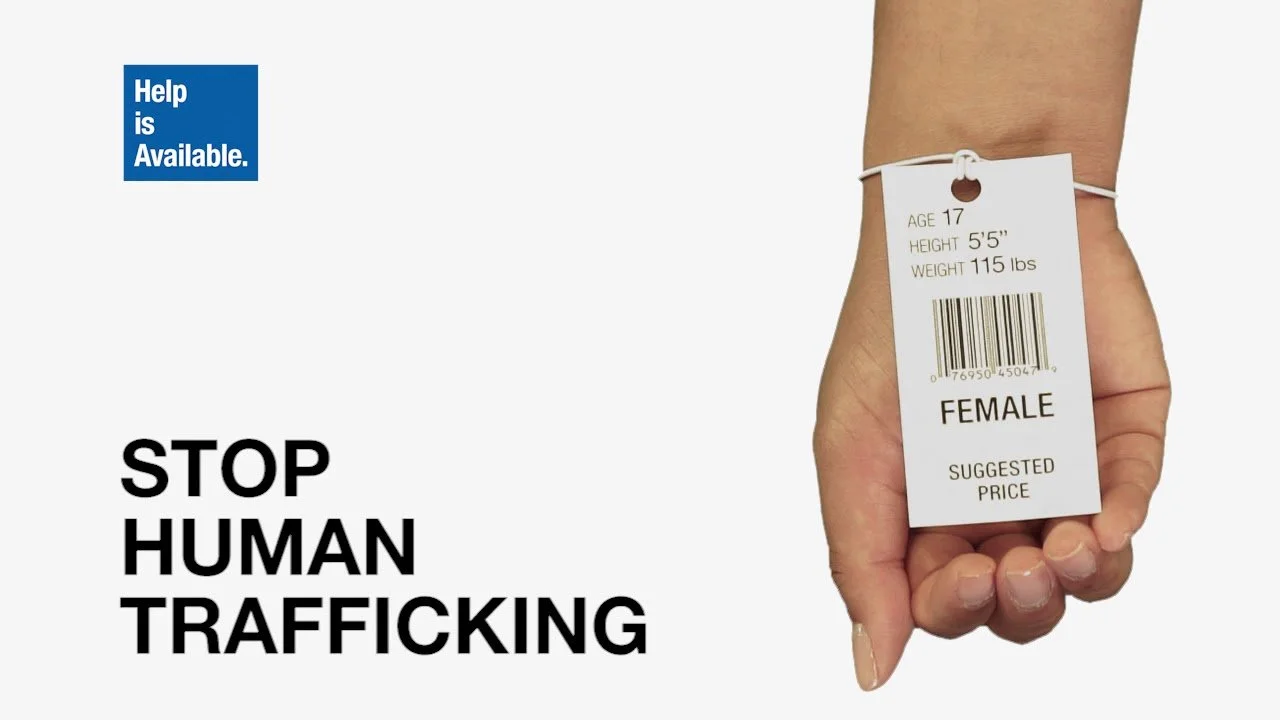
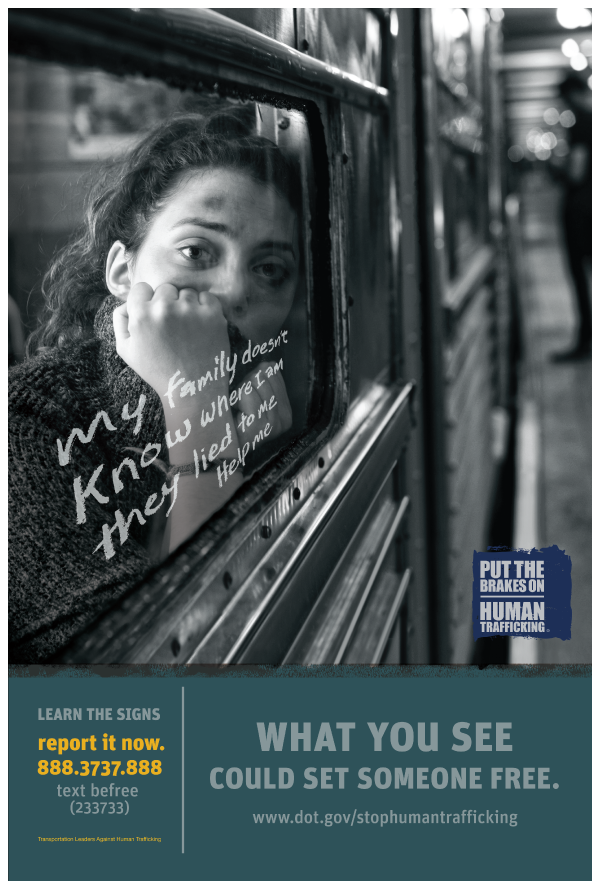
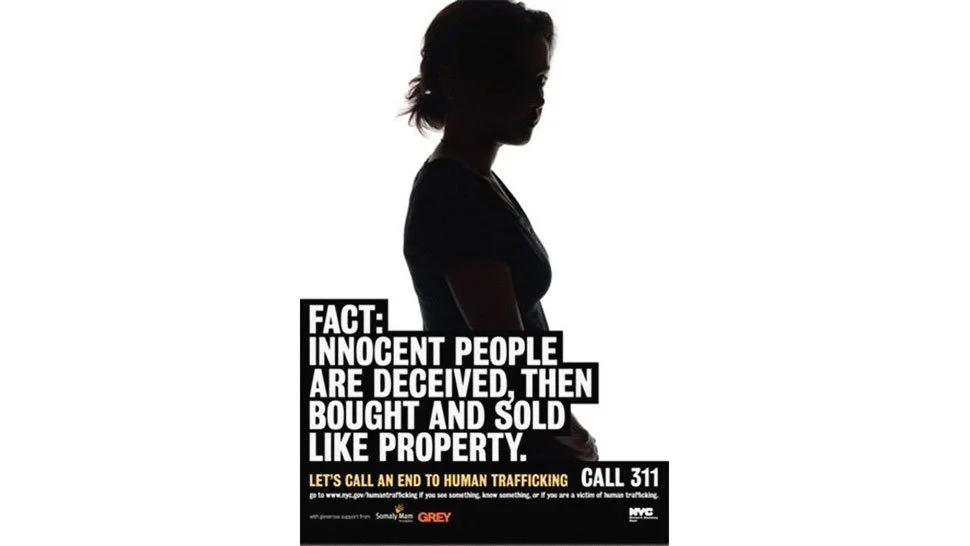
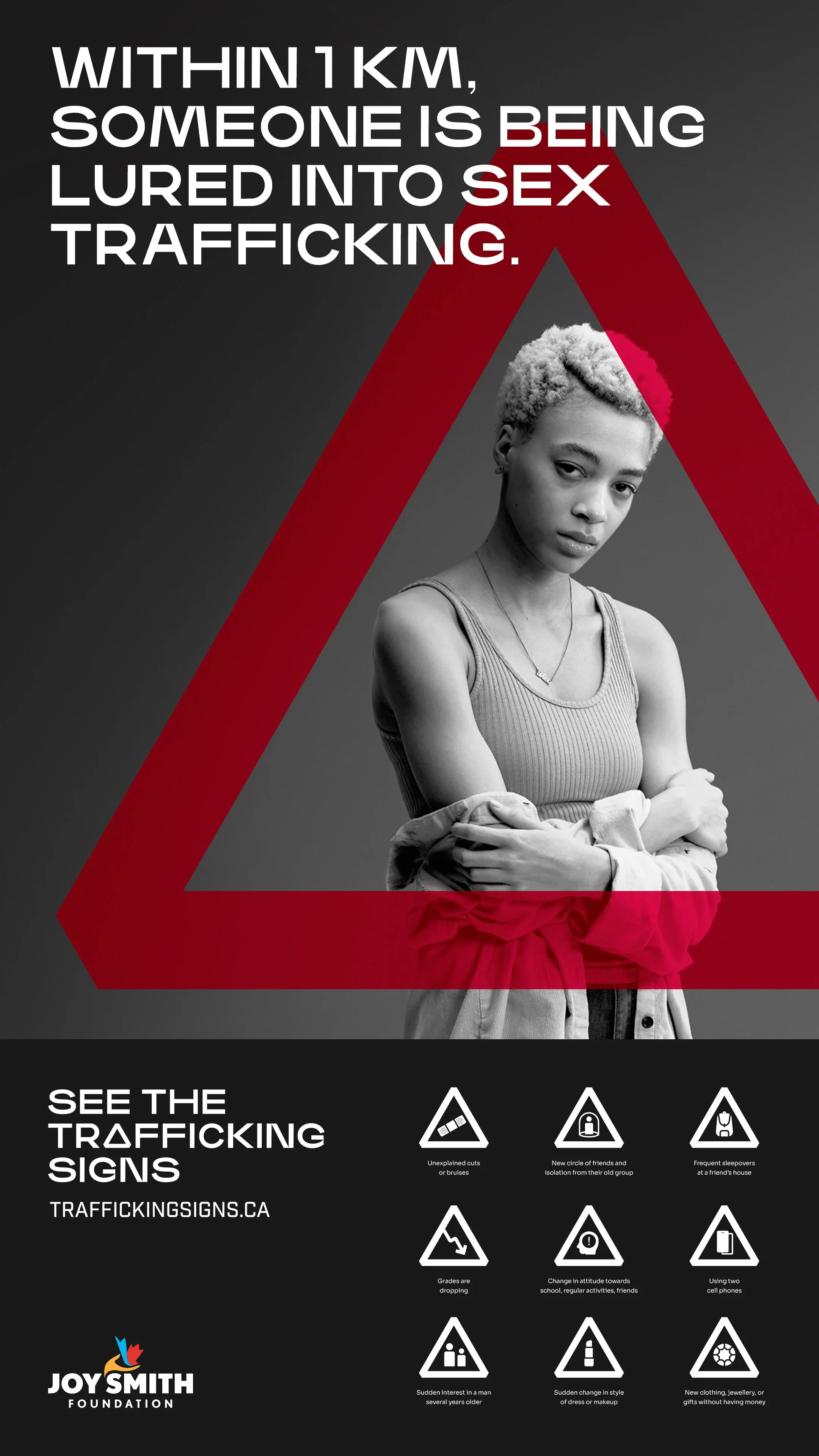
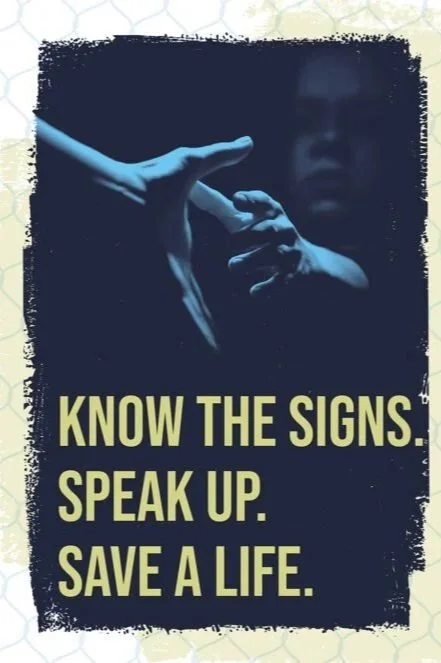
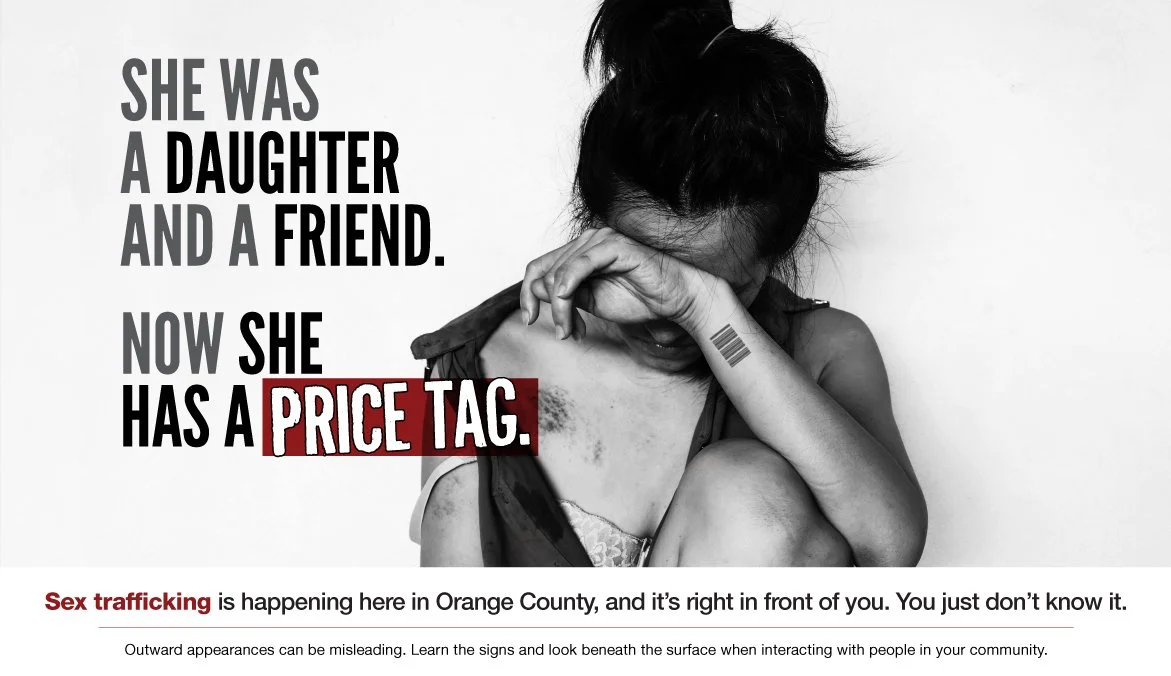
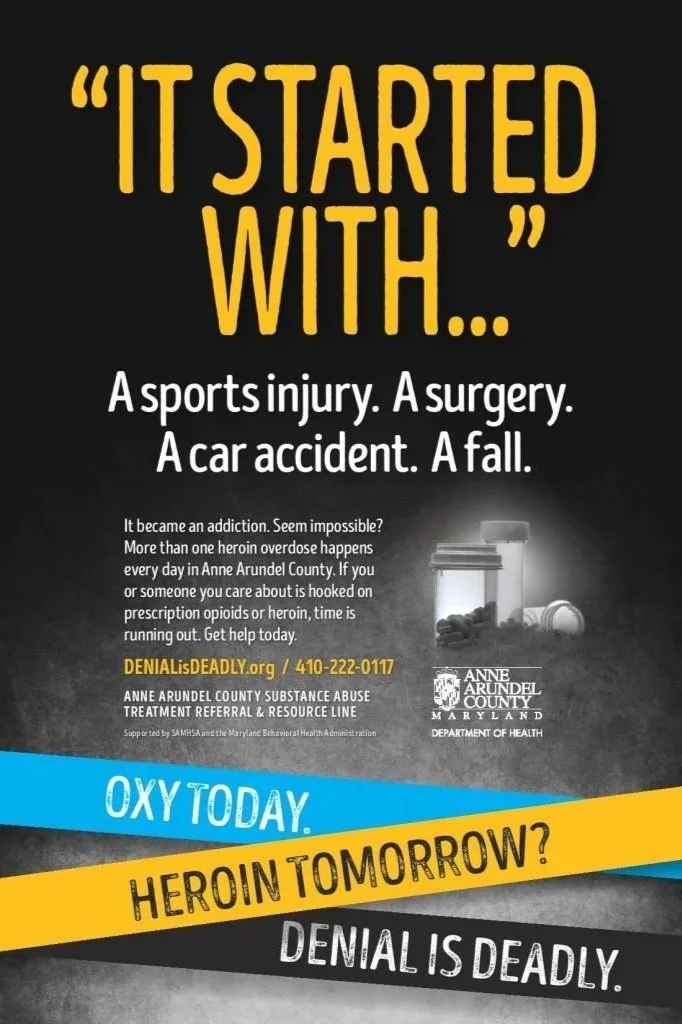
Existing messaging on sex trafficking is almost entirely awareness campaigns focused on teaching the public how to “identify” and report a potential “victim.” These messages, produced by government agencies, health departments and organizations, reinforce stigmatizing narratives that harm all people in the sex trades.
-
Stereotypical character tropes reinforce the idea that only certain people experience sex trafficking and only certain experiences “count” as sex trafficking.
People with lived/living experience who do not fit these narrow expectations may face judgement and stigma from providers.
-
Sensationalized imagery and language reduces the public’s idea of sex trafficking to the most shocking or graphic narratives rather than portraying the complexity of experiences.
-
Current messages portray people experiencing sex trafficking as “passive” , "helpless” and “waiting to be “saved” , rather than individuals with autonomy and insight into their own needs. While some people may make choices under severely constrained circumstances, that does not mean they lack autonomy.
These narratives can dismiss the experiences of people who are not seeking or able to “exit” for any reason.
-
Existing messaging portrays the criminal legal system as the only resource available to people with lived experience. Almost all public messaging includes the National Human Trafficking Hotline, but often fails to disclose that the hotline also functions as a tip line.
This can alienate people with lived/living experience who fear law enforcement, criminalization, deportation, retaliation or losing custody of their children. People may avoid seeking support all together if accessing services requires interaction with law enforcement.
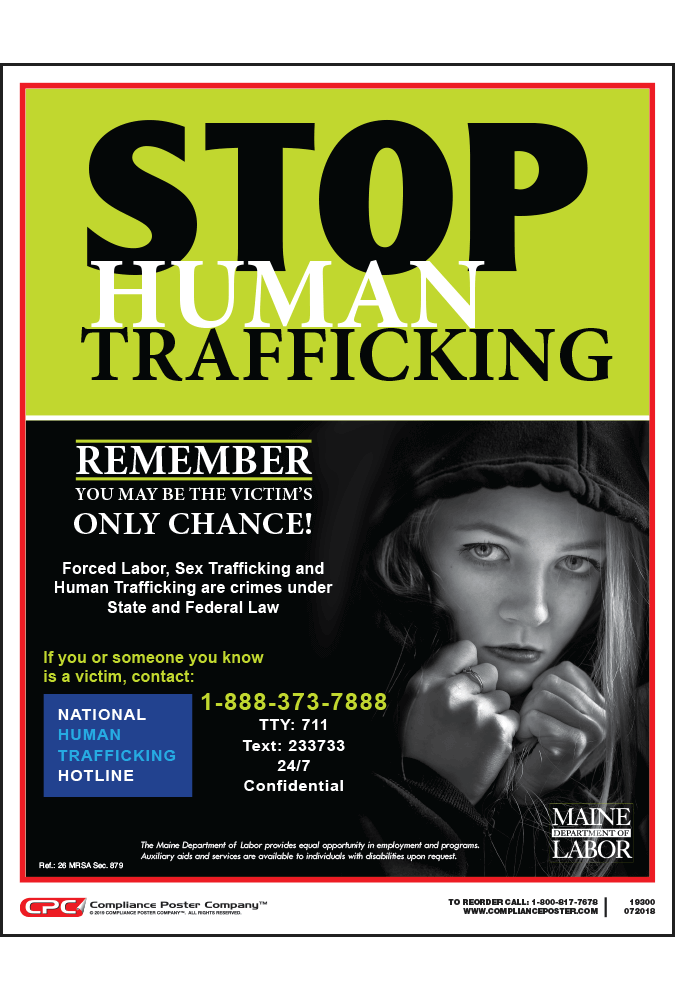
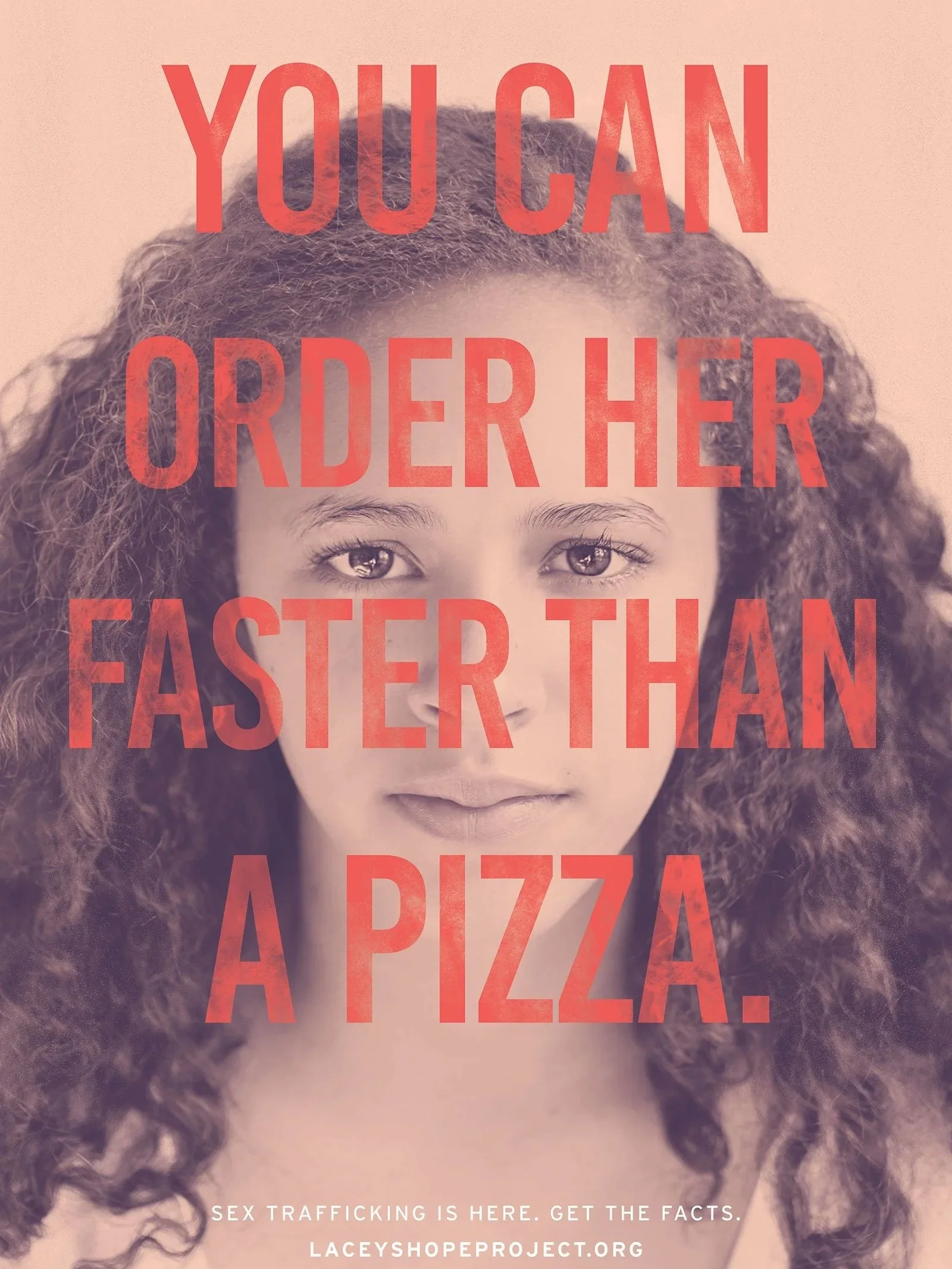
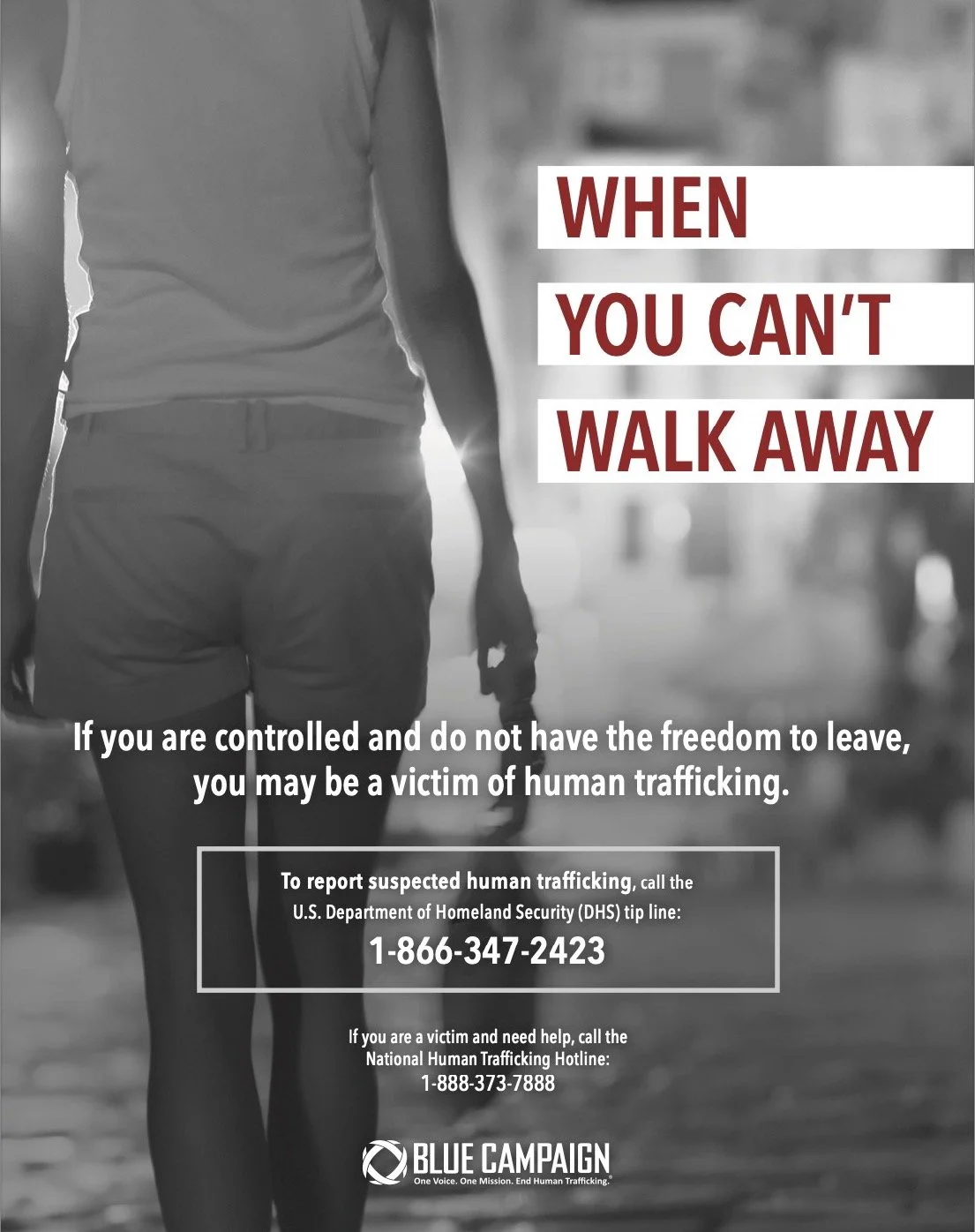
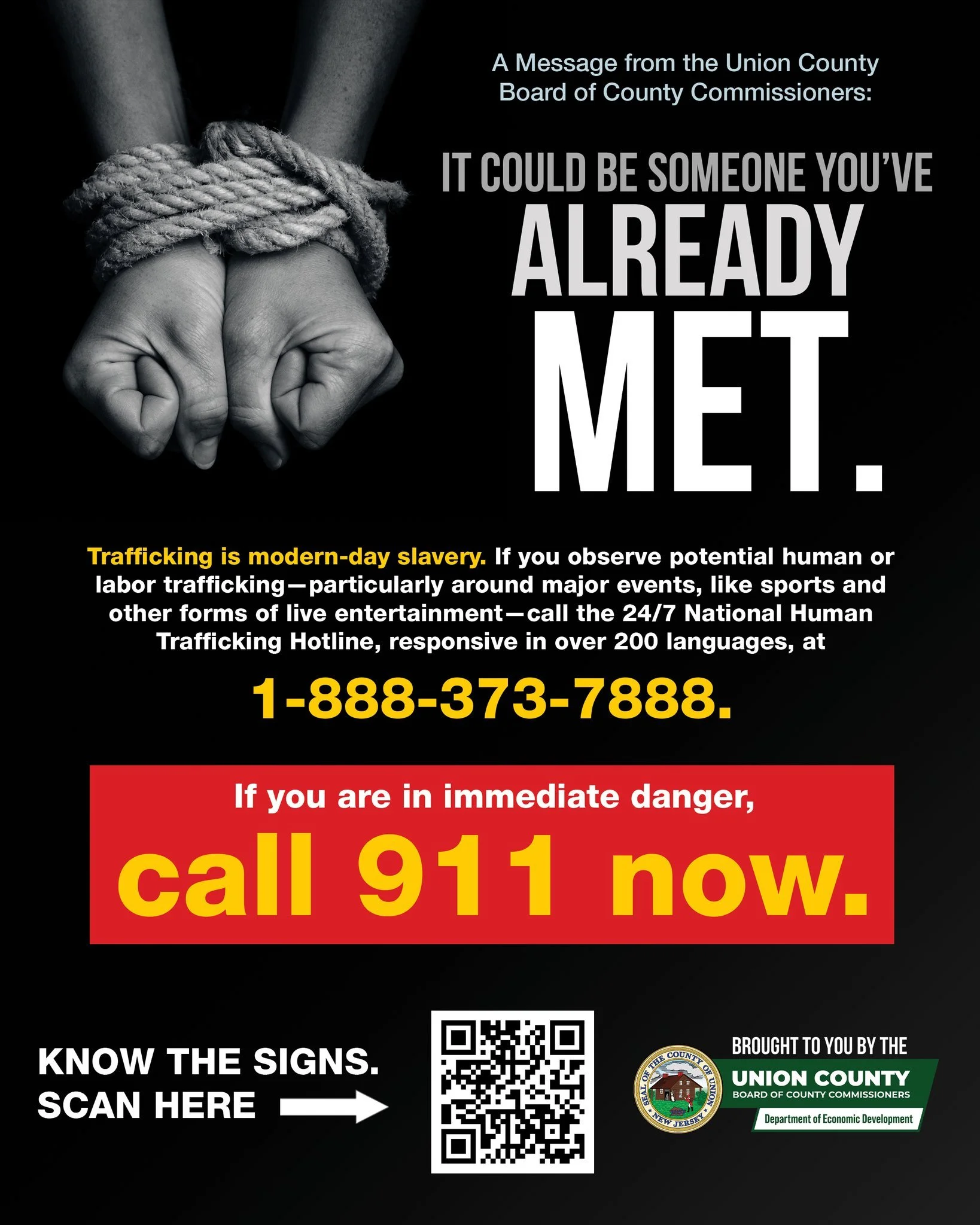
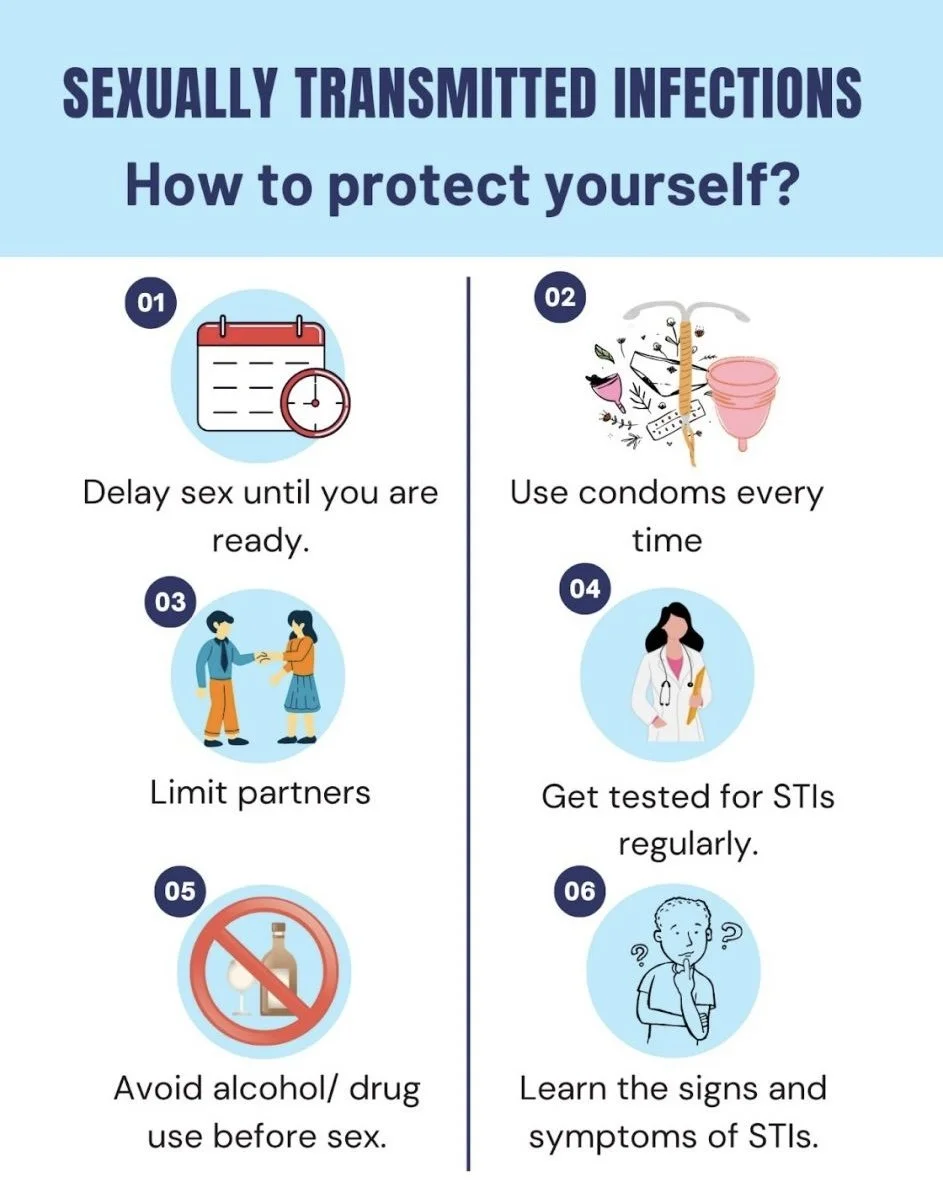
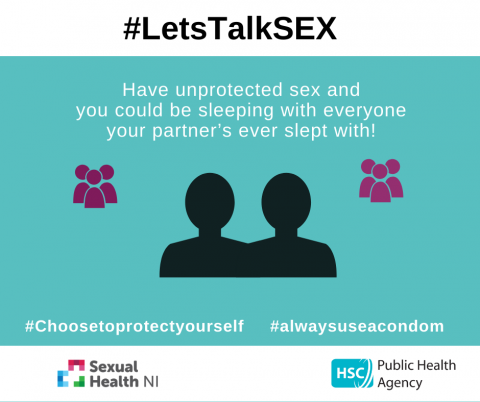
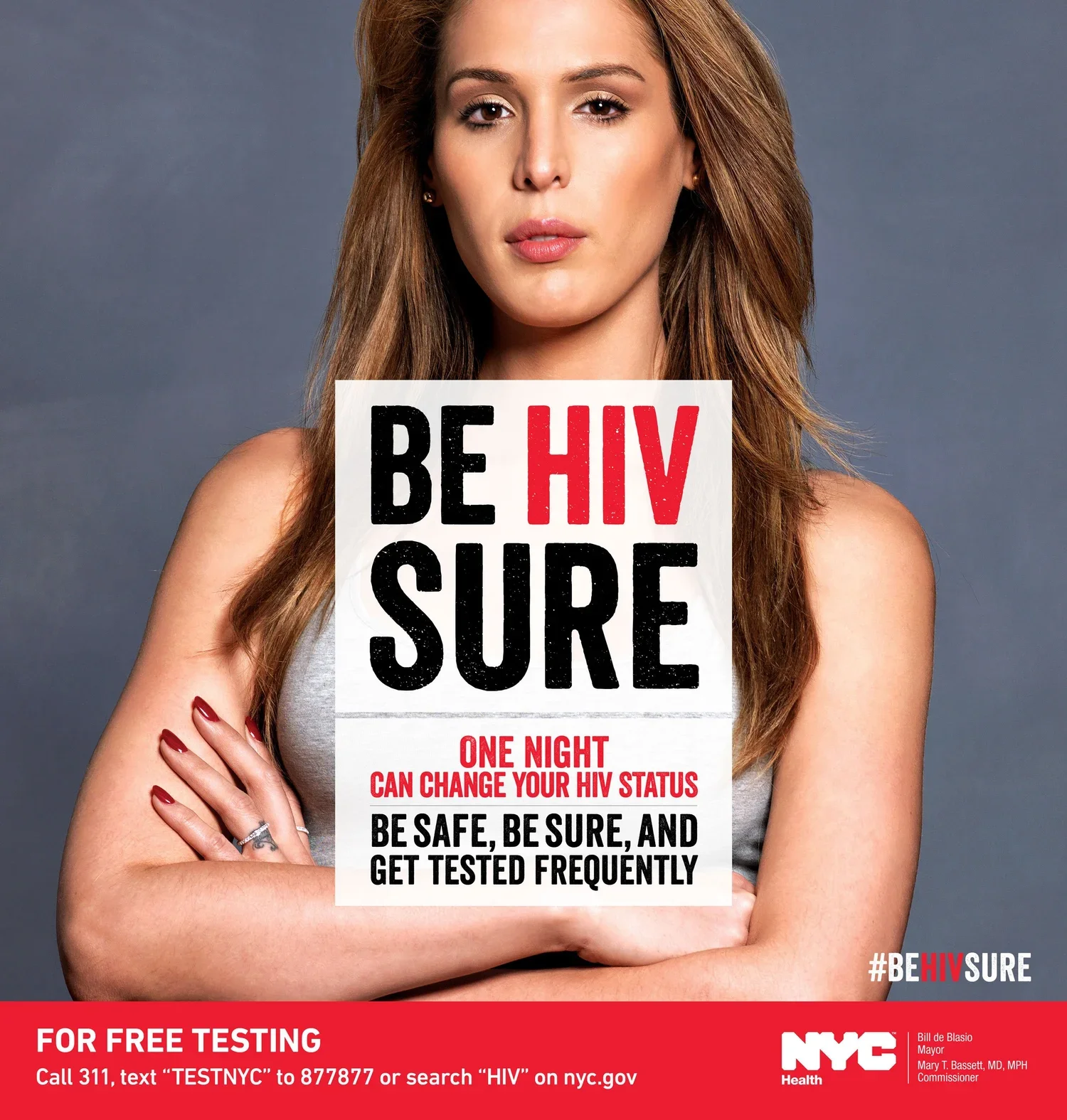
…and health messaging designed for the general public can be stigmatizing, unhelpful or un-relatable to people with lived/living experience in the sex trades.
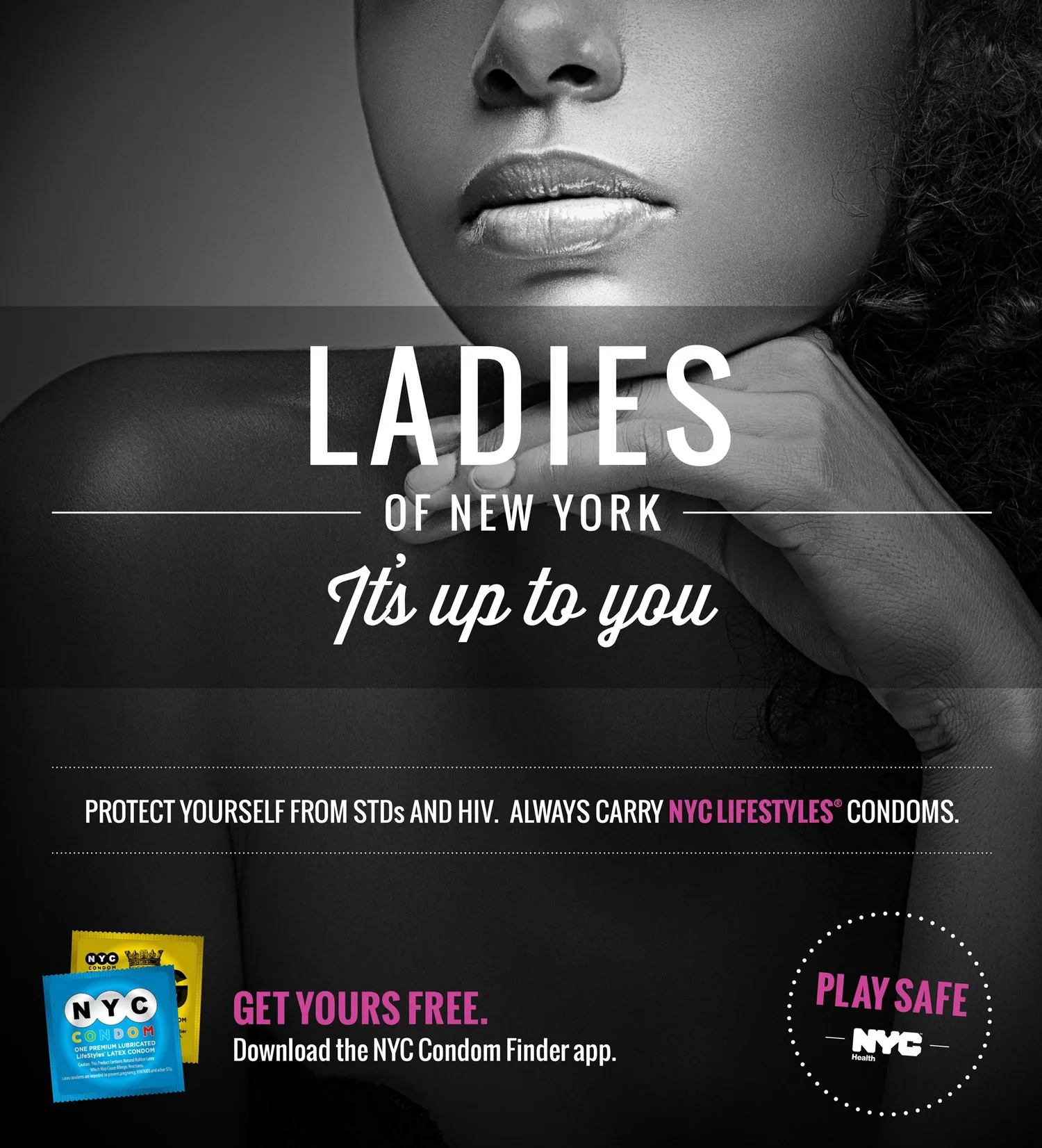
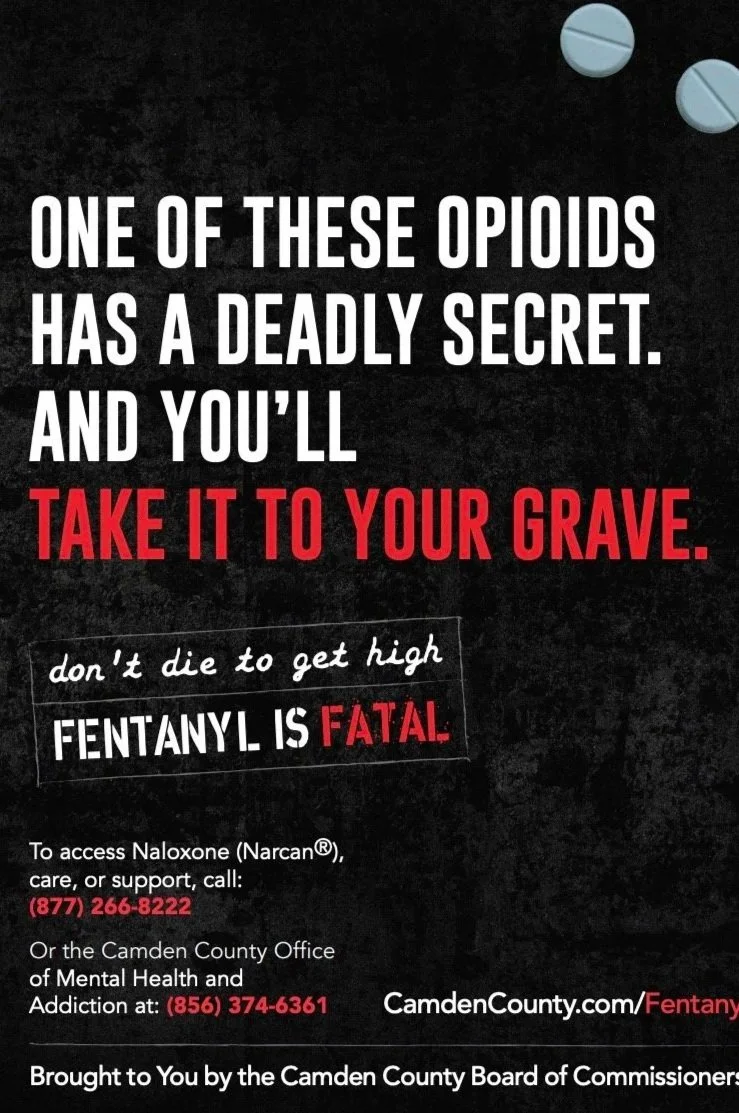
From “Rescue” to Resources
A Shift to Peer Health Messaging
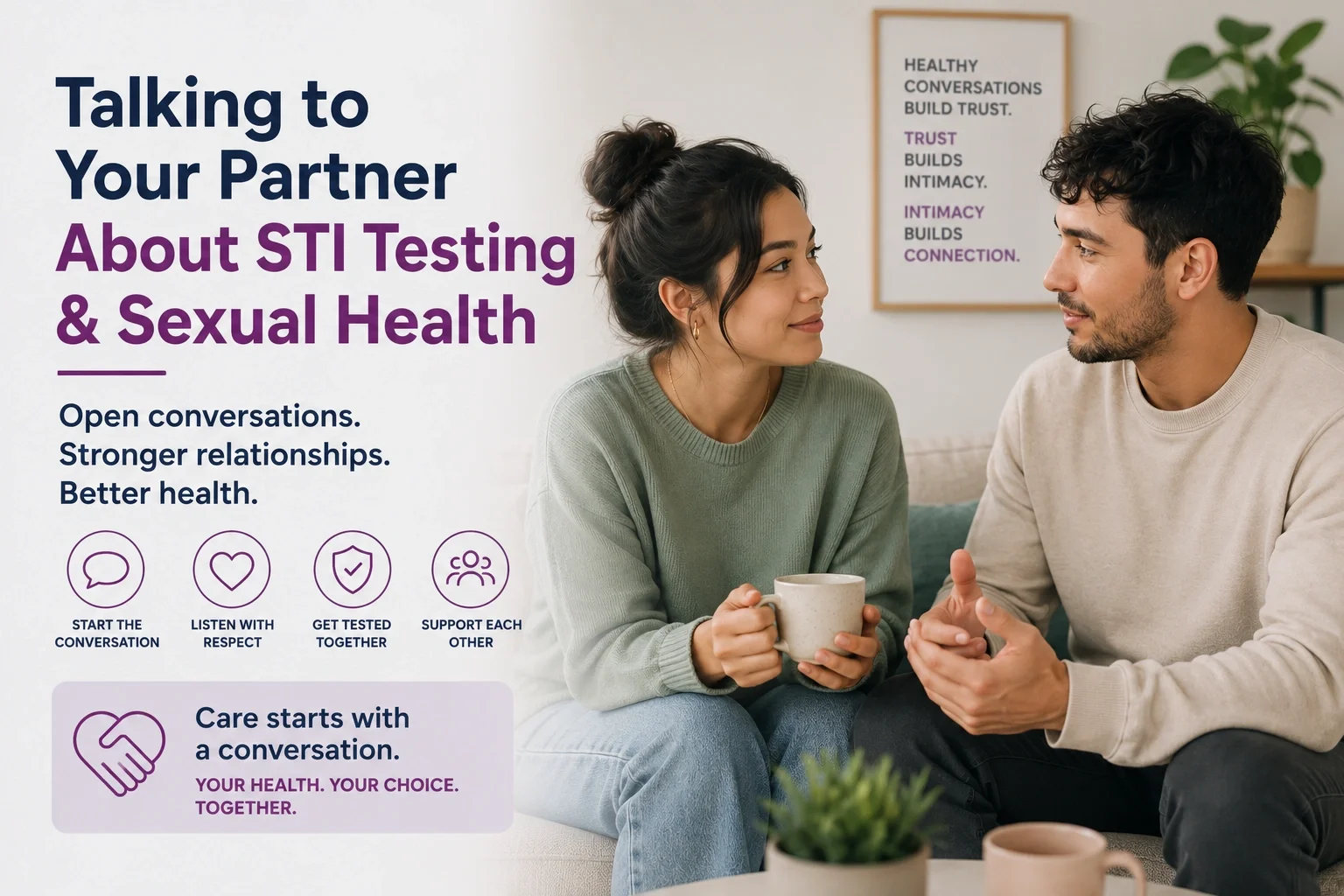
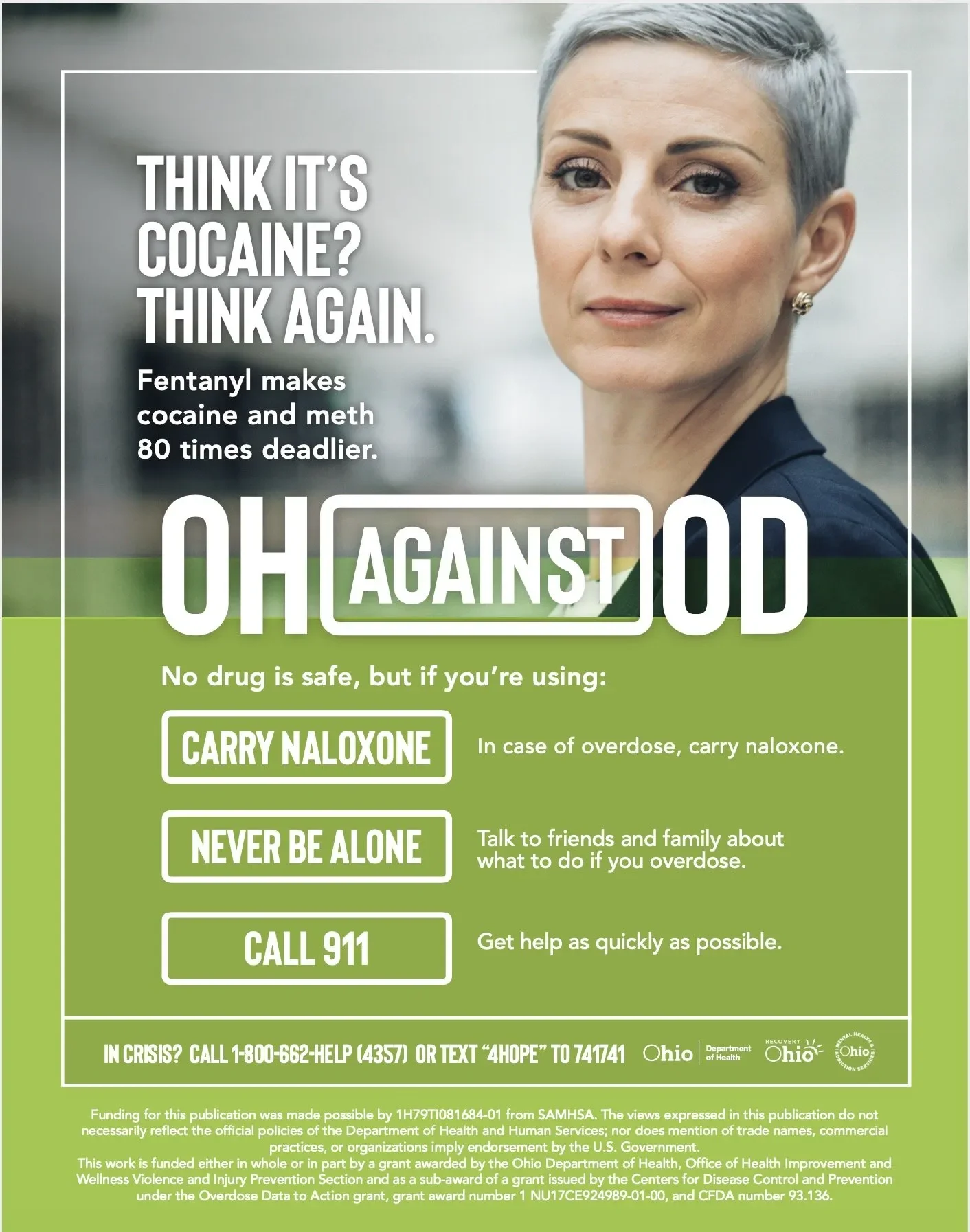
Peer health messaging refers to messages created by, and for, people within a specific community as a way to share health information. This art contest is an opportunity for survivors and people with lived/living experience to creatively express what care looks like to them when it comes to their health.
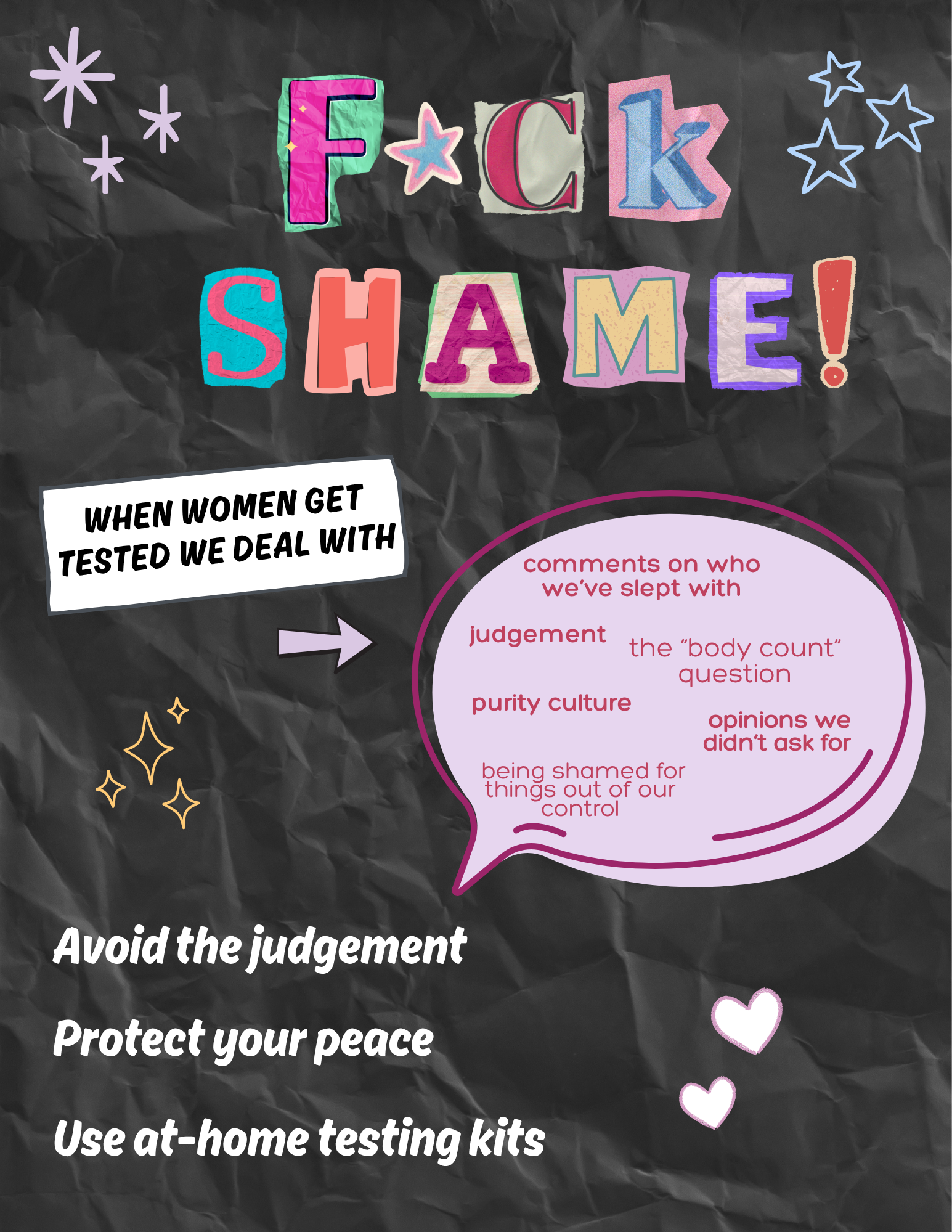
Example entry focused on sexual health testing
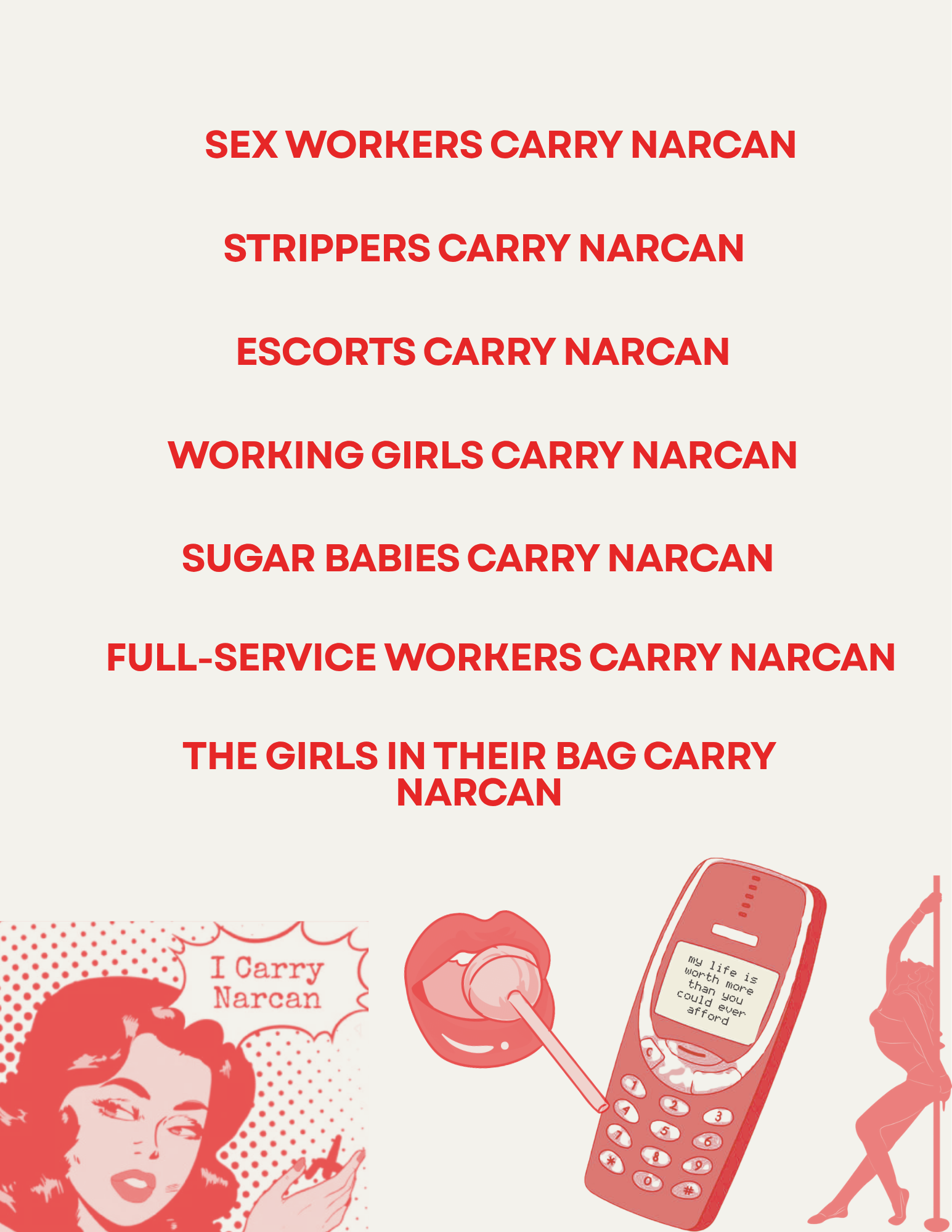
Example entry focused on overdose prevention
Getting Started
Choose which health topic your entry will focus on. You can submit up to 2 entries (one in each category).
-
Sexual health testing covers a wide range of topics. Your message can promote sexual health testing in general or focus on a smaller area, like a specific STI or testing method, or a situation that shows why sexual health testing is important.
When creating your artwork, think about the kind of message that would capture your attention and make you feel understood. What kind of message would move you from simply knowing about a resource to actually using it?
Check out our Sexual Health page for more info for more information to help guide your entry!
-
Overdose prevention covers a wide range of topics. Your message can promote general overdose prevention methods like narcan or focus on a more specific topic within overdose prevention like drug mixing or overamping .
When creating your artwork, think about the kind of message that would capture your attention and make you feel understood. What kind of message would move you from simply knowing about a resource to actually using it?
Check out our Overdose Prevention page for more information to help guide your entry!
Design tools that are free (or have free trials)
-
![]()
Canva
Easy to use design tool with templates for social media posts, posters, flyers and more.
-
![]()
Figma
A tool used to create digital designs such as flyers and social media graphics.
-
![]()
Adobe Express
A design tool for creating a range of visual content (flyers, social media posts, videos).
-
![]()
Capcut
An easy to use photo and video editing app and website.
-
![]()
Tiktok
A social media app used to create and edit videos using built-in music, filters, and special effects.
-
![]()
The Noun Project
A collection of over 10 million free icons and stock images
-
![]()
EXPERTE.COM
Free image background remover





Submission Information
-
Each contest entry must meet the following criteria to be considered eligible:
Entry is focused on sexual health testing or overdose prevention
Message is clear and understandable
Entries in languages other than English must have an English translation included with the submission
Entry meetings formatting requirements
-
Please keep text to a minimum of 750 words.
Videos must be under 50 MB (about 45-60 seconds)
Artwork can only be accepted as a digital file.
-
Entries will be scored using the three categories below:
Relevance & Impact: How relevant and useful is this content for people who have experienced sex trafficking or coerced sex work?
Clarity & Communication: How clearly and effectively does the content communicate its message?
Creativity & Engagement: How creative, original and engaging is the message and artwork?
Contest Timeline
-
(1) Create Your Artwork
Create artwork focused on sexual health testing or overdose prevention.
-
(2) Submit Online
Upload your entry to our Submission Portal. Entries must be submitted by November 1, 2026.
-
(3) Judging
A panel of judges, including people with lived experience, healthcare workers, service providers and advocates, will score entries in November.
-
(4) Winners Announced!
Winners will be announced over email early December.
Questions?
Reach out to our Project Director by emailing mxb2103@columbia.edu or fill out the form.