From “Rescue” to Resources
A shift to peer health messaging
Existing public messaging on sex trafficking consists almost entirely of awareness campaigns focused on teaching the general public how to identify and report a potential “trafficking victim.” These messages, produced by government agencies, health departments and some anti-trafficking organizations, have been criticized for their limited effectiveness and for reinforcing harmful narratives that contribute to the layered stigma faced by people with lived experience in the sex trades.



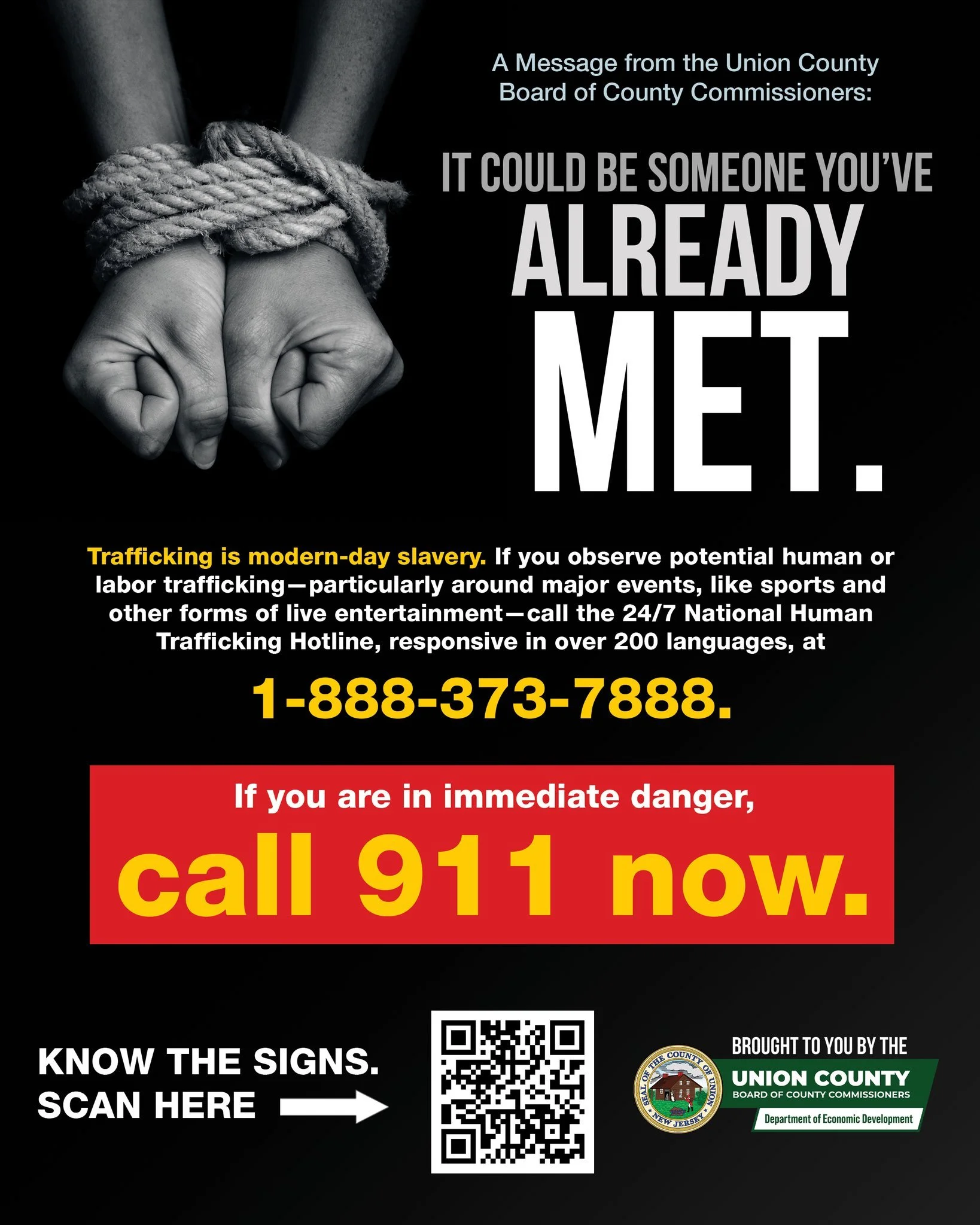



Current Anti-Trafficking Messaging
Click below to learn more about harmful elements found in existing public messaging related to sex trafficking.
-
Stereotypical character tropes reinforce the idea that only certain people experience sex trafficking and only certain experiences “count” as sex trafficking.
People with lived experience who do not fit these narrow expectations because of things like their age, gender, substance use, or continued involvement in consensual sex work may fear being judged or not being believed. As a result, they may avoid engaging in supportive resources.
-
Sensationalized imagery and language reduces the public’s idea of sex trafficking to the most shocking or graphic narratives rather than portraying the complexity of experiences.
It is understandable that people with lived experience may fear that others will judge or misunderstand them based on the limited narratives portrayed in public messaging. As a result, they may avoid engaging in supportive resources.
-
Themes of rescue and saviorism in public messaging often portray people experiencing sex trafficking as “passive” , "helpless” and “waiting to be “saved” , rather than individuals with autonomy and insight into their own needs. While some people may make choices under severely constrained circumstances, that does not mean they lack autonomy.
These narratives can dismiss the experiences of people who are not seeking or able to “exit” for any reason.
-
Existing messaging portrays the criminal legal system as the only resource available to people with lived experience. Almost all public messaging includes the National Human Trafficking Hotline, but often fails to disclose that the hotline also functions as a tip line. This means hotline operators, under certain circumstances, can share your information with local or federal law enforcement.
This can alienate people with lived experience who fear law enforcement, criminalization, deportation, retaliation or losing custody of their children. People may avoid seeking support all together if accessing services requires interaction with law enforcement.
The Health Messaging Gap
No public messaging currently exists that is specifically designed to address the health needs of people who have lived experience of sex trafficking or coerced sex work.
Additionally, health messaging developed for the general public can be stigmatizing and unhelpful for people with lived experience in the sex trades. These messages may come across as judgmental of the health behaviors and decisions they make, often assuming that all individuals have complete control over their choices related to sex, substance use, and their overall health.
Health messaging is one way to inform and connect people to resources. But in order for messaging to be effective, it must reflect lived realities.
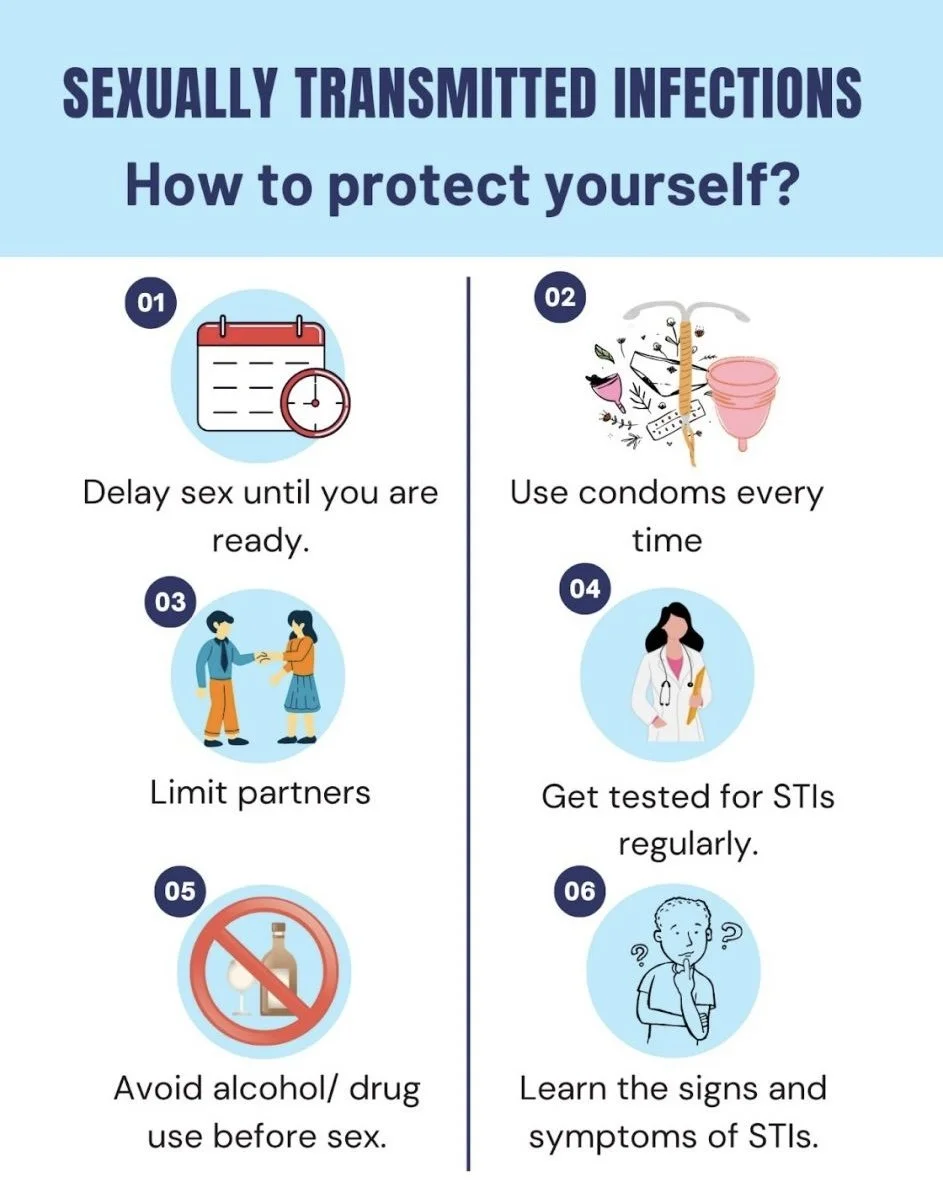
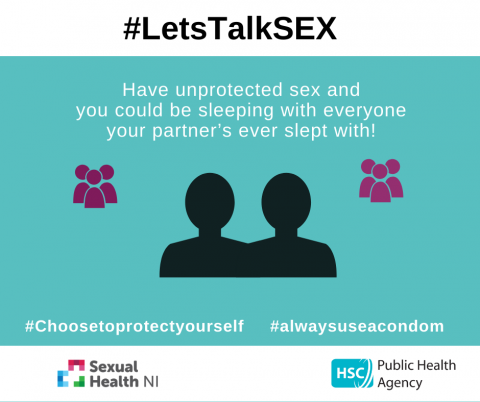

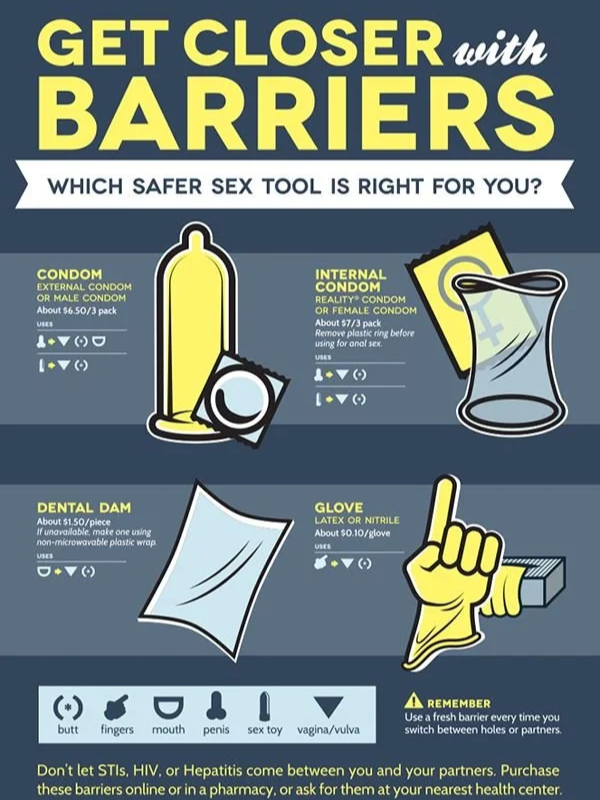


Peer-Developed Health Messaging
This project reframes messaging on sex trafficking through a public health lens, focusing on the health needs of the community and the circumstances, challenges, and motivations that shape access to care and resources among people with lived experience of sex trafficking or coerced sex work.
To develop effective health messaging, this study is hosting a contest for people with lived experience to create health messages that directly speak to others within their community.
We know those who understand the reality of the sex trades, and have learned how to care for and protect themselves outside of the legal systems, are the ones who can best shape this messaging.
Peer communication is grounded in the idea that “if you know, you know.”